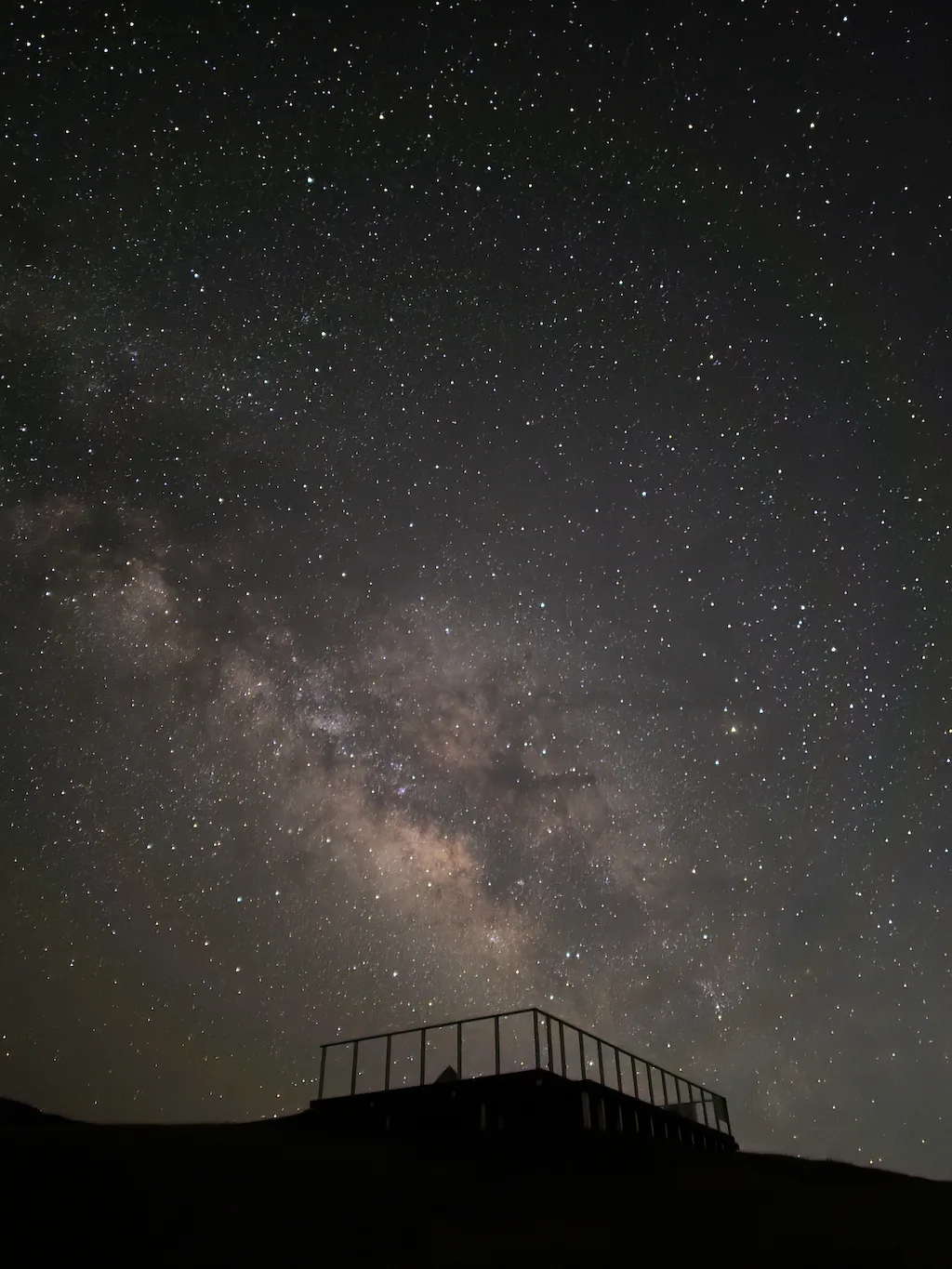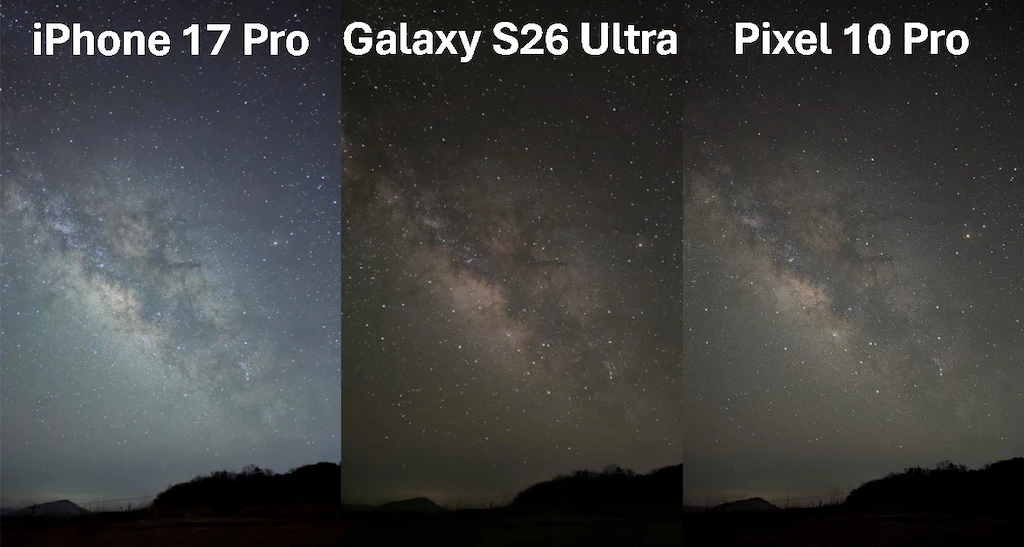
The regular iPhone 17 used to have a serious focus problem when shooting the night sky. In some cases, the stars looked badly out of focus, and it was hard to recommend the phone for astrophotography.
I also tested five different iPhone 17 units and reported this focus issue before. However, after iOS 26.5, the situation seems to have changed. At least in my own testing, the major focus problem is no longer visible.
What surprised me even more was the result after the focus issue improved.
In these tests, the regular iPhone 17 sometimes produced better-looking starry sky photos than the more expensive iPhone 17 Pro.
Even more surprisingly, my later testing suggests that the regular iPhone 17 may also outperform the newer iPhone 18 Pro in some aspects of astrophotography, especially in star shape and background noise(iPhone 18 Pro Astrophotography: Best Settings and How It Compares with the iPhone 17 Series).
In this article, I will compare real night sky photos taken with the iPhone 17 and iPhone 17 Pro, and explain why the regular iPhone 17 may actually look better for astrophotography in some situations.
Test Conditions
The photos were taken under the following conditions:
・Same location
・Same tripod
・Same night sky
・iOS 26.5
・Standard iPhone Camera app
・Night mode set to 30 seconds
The goal was to compare the phones as fairly as possible using the default camera experience.
Example 1: Milky Way Photo
iPhone 17 Pro
iPhone 17
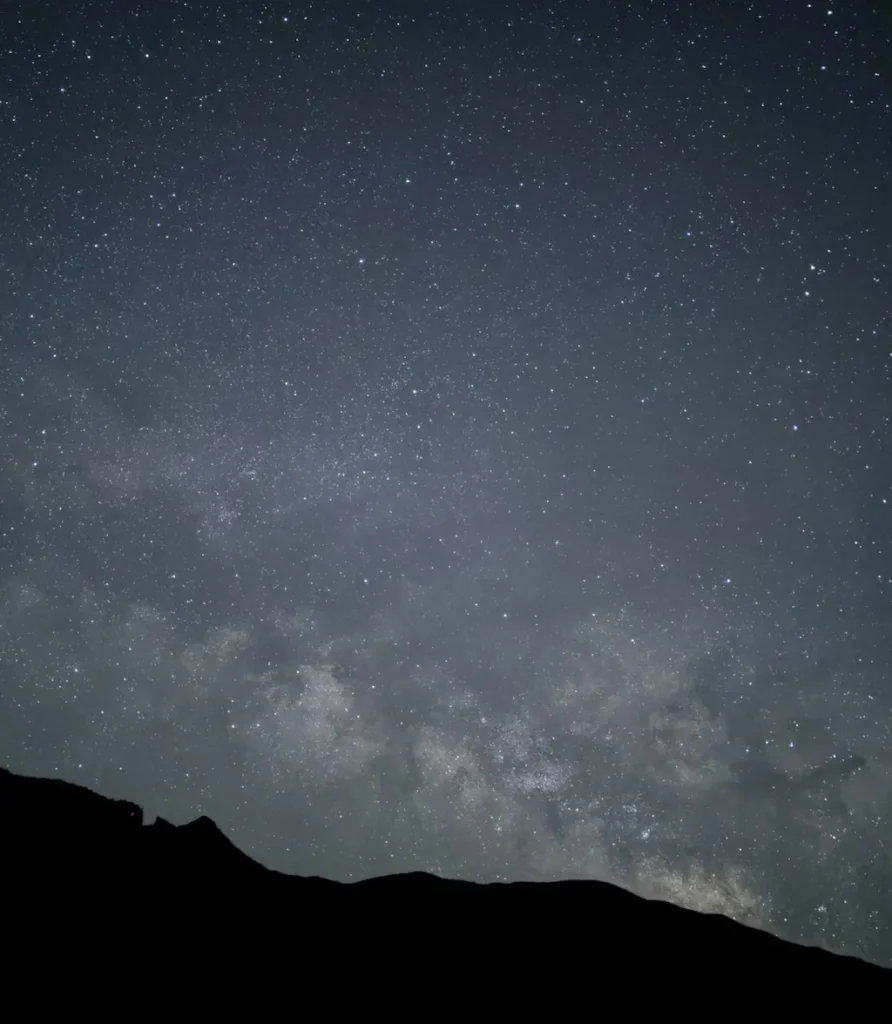
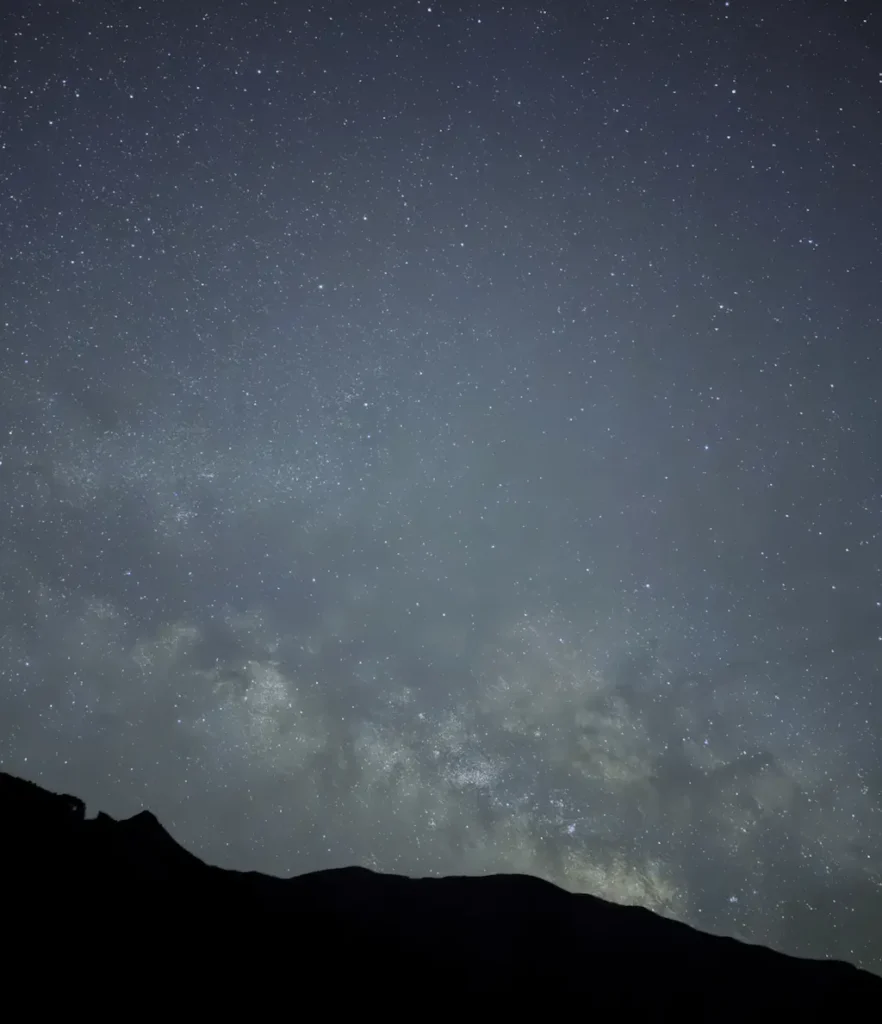
At first glance, the iPhone 17 Pro looks brighter and smoother, but the stars and the Milky Way look slightly soft.
The iPhone 17 keeps the sky darker, making the small stars and the differences in brightness across the Milky Way stand out more clearly.
The overall look is already quite different between the two phones.
Example 1: Cropped Comparison
iPhone 17 Pro
iPhone 17
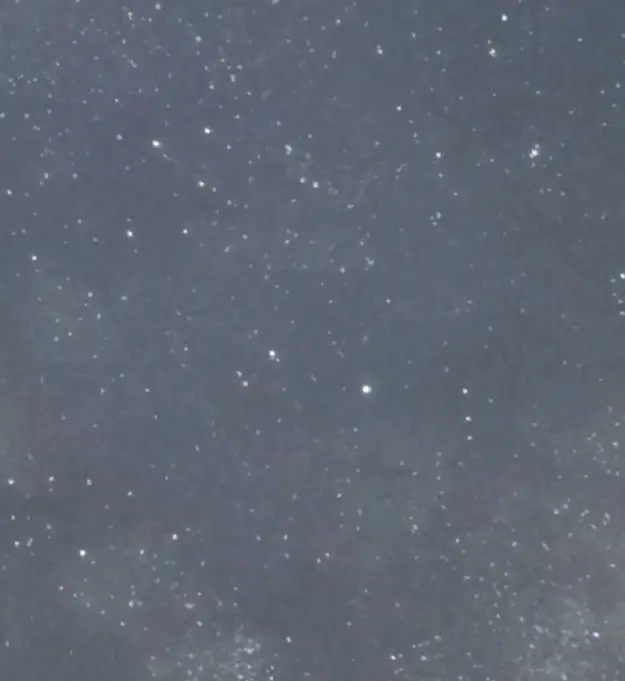
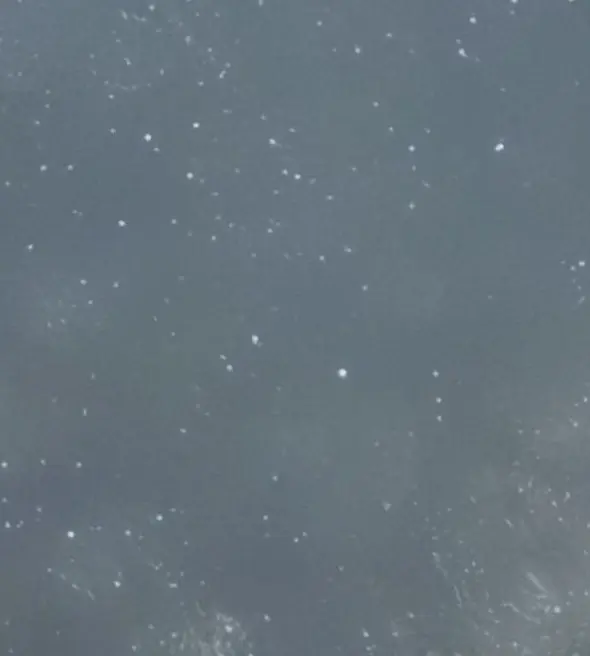
When we zoom in, the reason for this difference becomes easier to see.
The iPhone 17 Pro produces a smoother sky, but some of the smaller stars are lost. The iPhone 17 has more visible noise, but more of the small stars remain.
Example 1: Closer Look at the Center of the Milky Way
iPhone 17 Pro
iPhone 17
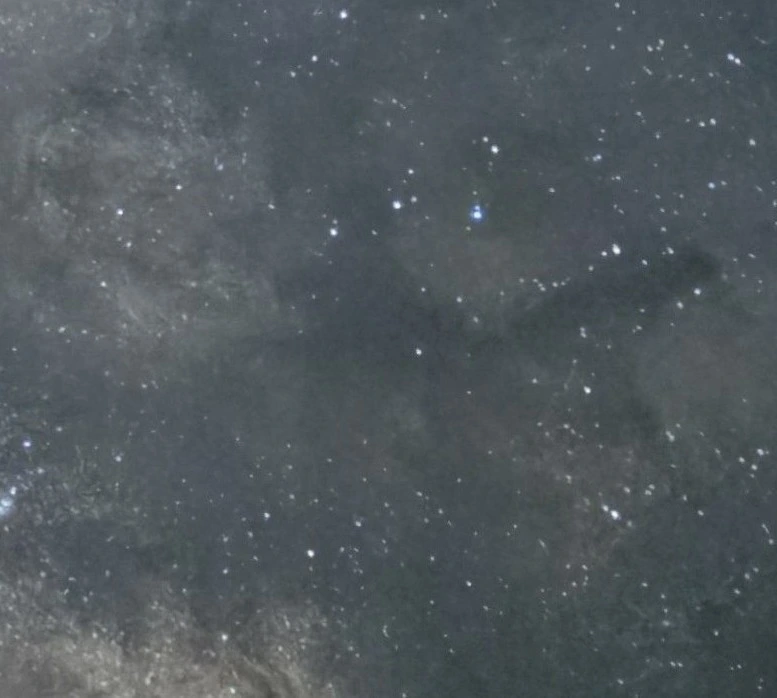
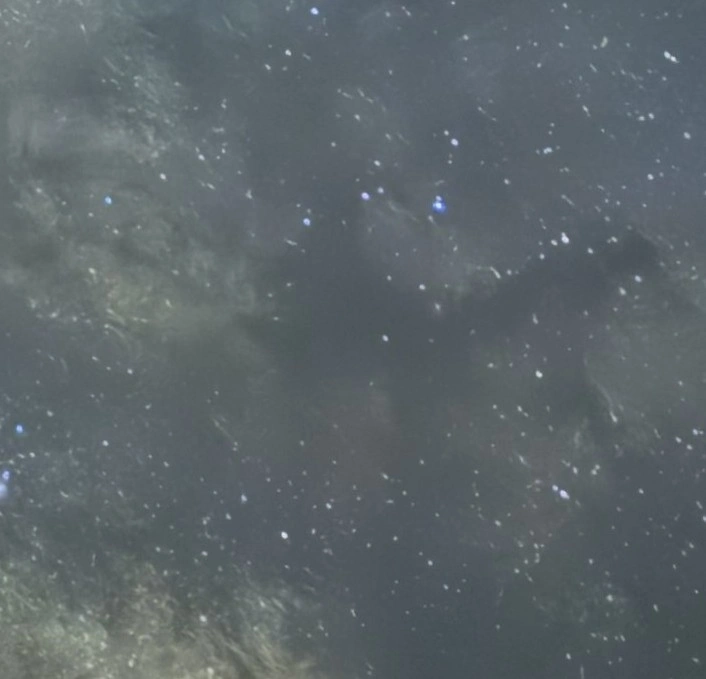
The same difference becomes even clearer around the center of the Milky Way.
The iPhone 17 Pro looks smooth, but some of the subtle differences in brightness within the Milky Way are lost. The iPhone 17 is noisier, but the Milky Way’s structure and contrast remain much clearer.
Noise reduction is probably a major reason for this difference.
In night-sky photos, noise and small stars can both appear as tiny points. When noise reduction is strong, some real stars can be removed along with the noise.
The iPhone 17 Pro appears to favor a smoother image, while the iPhone 17 allows a little more noise in order to keep more of the stars and Milky Way detail.
For photos where the stars themselves are the main subject, the iPhone 17’s approach appears to work better.
Example 2: A Big Difference in Foreground Brightness
iPhone 17 Pro
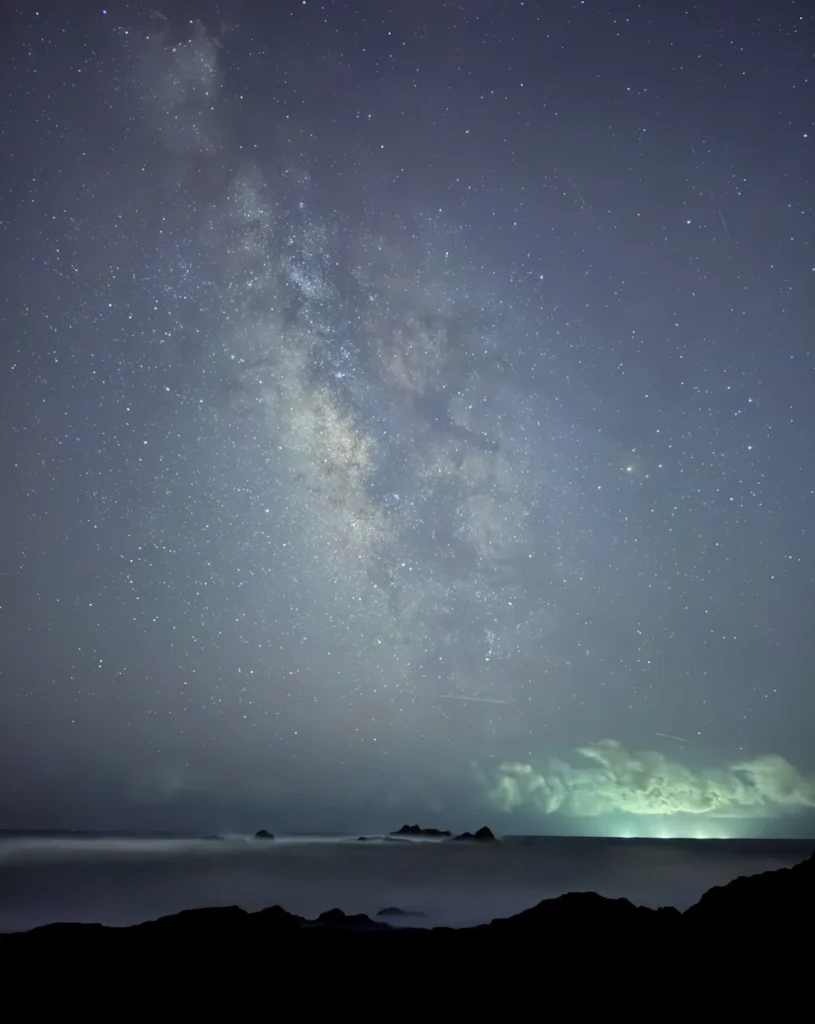
iPhone 17
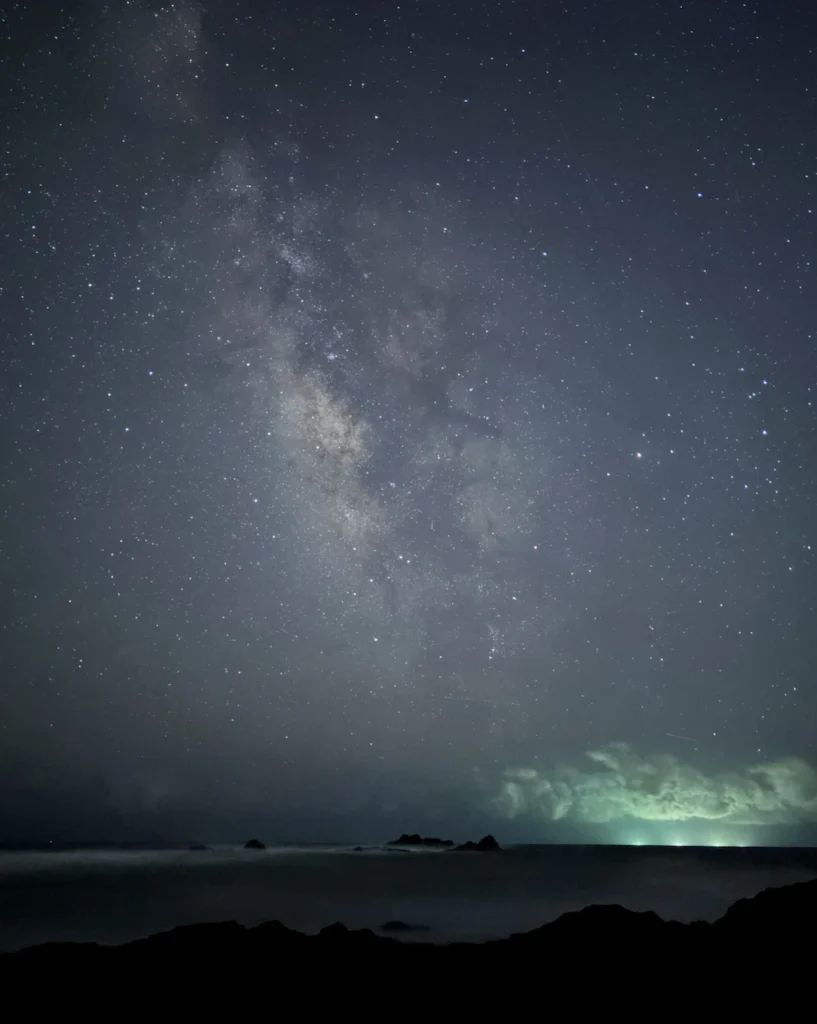
The difference between the two phones is not limited to the stars. This example also shows how differently they finish the entire photo.
The iPhone 17 Pro brightens the foreground, including the sea, making more of the overall landscape visible.
The iPhone 17 leaves the foreground much darker, but the darker sky makes the Milky Way stand out more strongly.
If the Milky Way is the main subject, the iPhone 17 looks more impressive. On the other hand, if you want a starry landscape photo with a brighter and more visible foreground, the iPhone 17 Pro can also produce a very attractive result.
This comparison shows that the two phones take noticeably different approaches to processing the same scene.
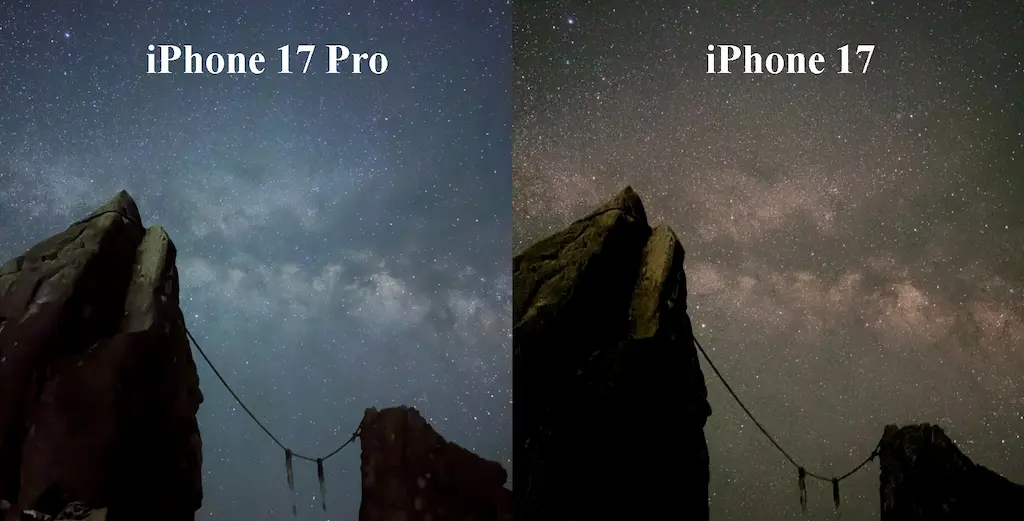
Example 3: The Color of the Sky Is Different Too
iPhone 17 Pro
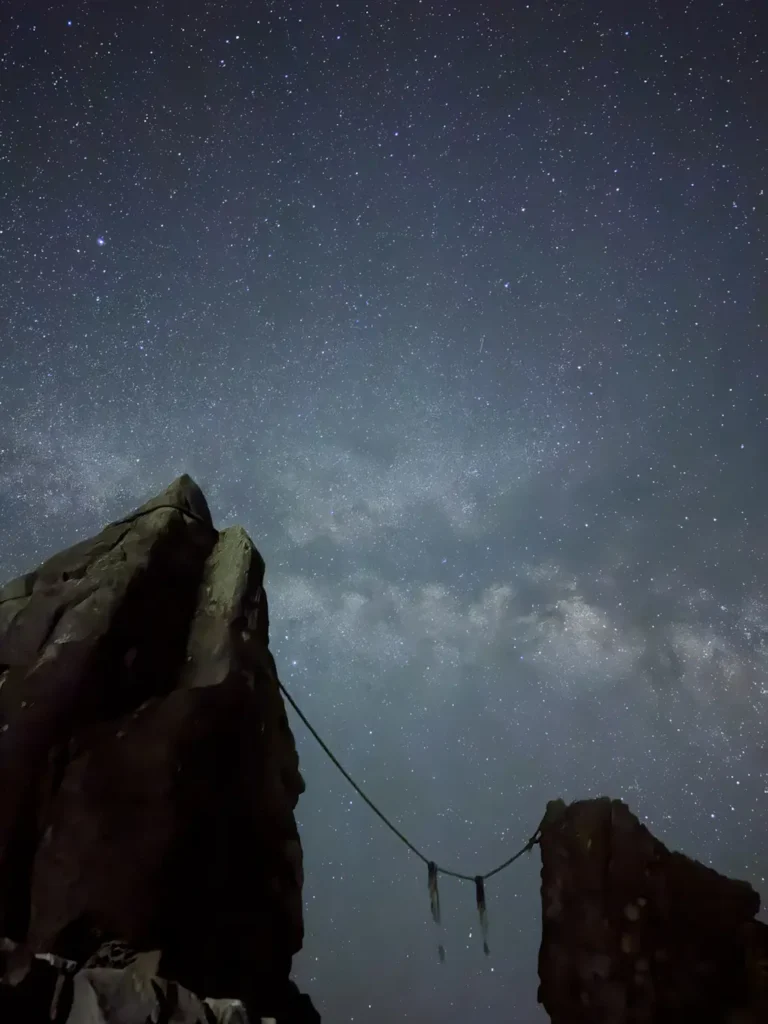
iPhone 17
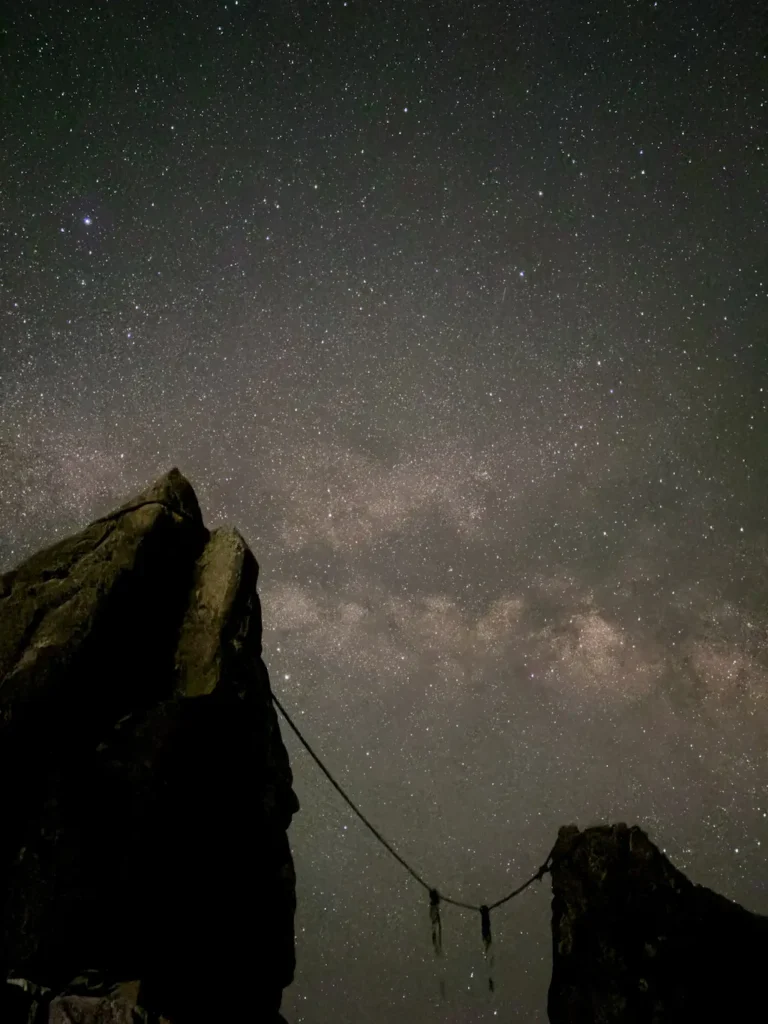
This example shows the same general pattern seen in the previous photos.
The iPhone 17 Pro keeps both the sky and foreground brighter, while the iPhone 17 keeps the sky darker and shows the stars and the Milky Way more clearly.
There also appears to be a difference in how the two phones handle color.
Across these photos, the iPhone 17 Pro tends to keep the color of the sky more consistent. The iPhone 17 seems more likely to reflect changes in the surrounding light.
There was distant lightning when this photo was taken, and the sky in the iPhone 17 image has a much stronger orange color. The iPhone 17 Pro shows much less of this color change.
I took many other comparison photos, and the overall pattern was similar.
| Category | iPhone 17 Pro | iPhone 17 |
| Noise reduction | Stronger and smoother | Weaker, with more detail |
| Small stars | Easier to lose | Easier to keep |
| Milky Way | Slightly flatter | More contrast and detail |
| Brightness | Brighter | Darker and deeper |
| Sky color | More consistent | More affected by surrounding light |
The Two Phones Take Different Approaches to Image Processing
Looking at all of these examples, the biggest difference may not simply be camera hardware. The two phones seem to take different approaches to image processing.
The iPhone 17 Pro appears to process the image more aggressively. It reduces noise, brightens dark areas, and keeps the overall color more consistent.
The iPhone 17 appears to apply less of this processing. As a result, it can look noisier and the foreground can become quite dark, but more small stars, more of the Milky Way’s contrast, and more changes in the color of the sky remain visible.
However, stronger processing does not automatically give the Pro model an advantage for the night sky itself.
In these comparisons, some small stars and subtle structure in the Milky Way appear to be lost as the iPhone 17 Pro creates a smoother and brighter image. For the stars and the Milky Way themselves, the lighter processing of the iPhone 17 often works in its favor.
Conclusion
The iPhone 17 Pro applies stronger image processing, producing a brighter, smoother, and more consistent-looking photo.
However, in these night-sky comparisons, that stronger processing does not give the Pro model an advantage. Small stars are more easily lost, and the Milky Way can look flatter and less clearly defined.
The iPhone 17 leaves more noise and often a darker foreground, but it also keeps more small stars and more of the Milky Way’s contrast.
For photos where the stars and the Milky Way are the main subject, the iPhone 17 produced the better results in these tests. The iPhone 17 Pro can still look attractive when a brighter foreground is important, but its stronger processing does not appear to benefit the night sky itself.
Despite being the standard model, the iPhone 17 can outperform the 17 Pro in some types of night-sky photography.