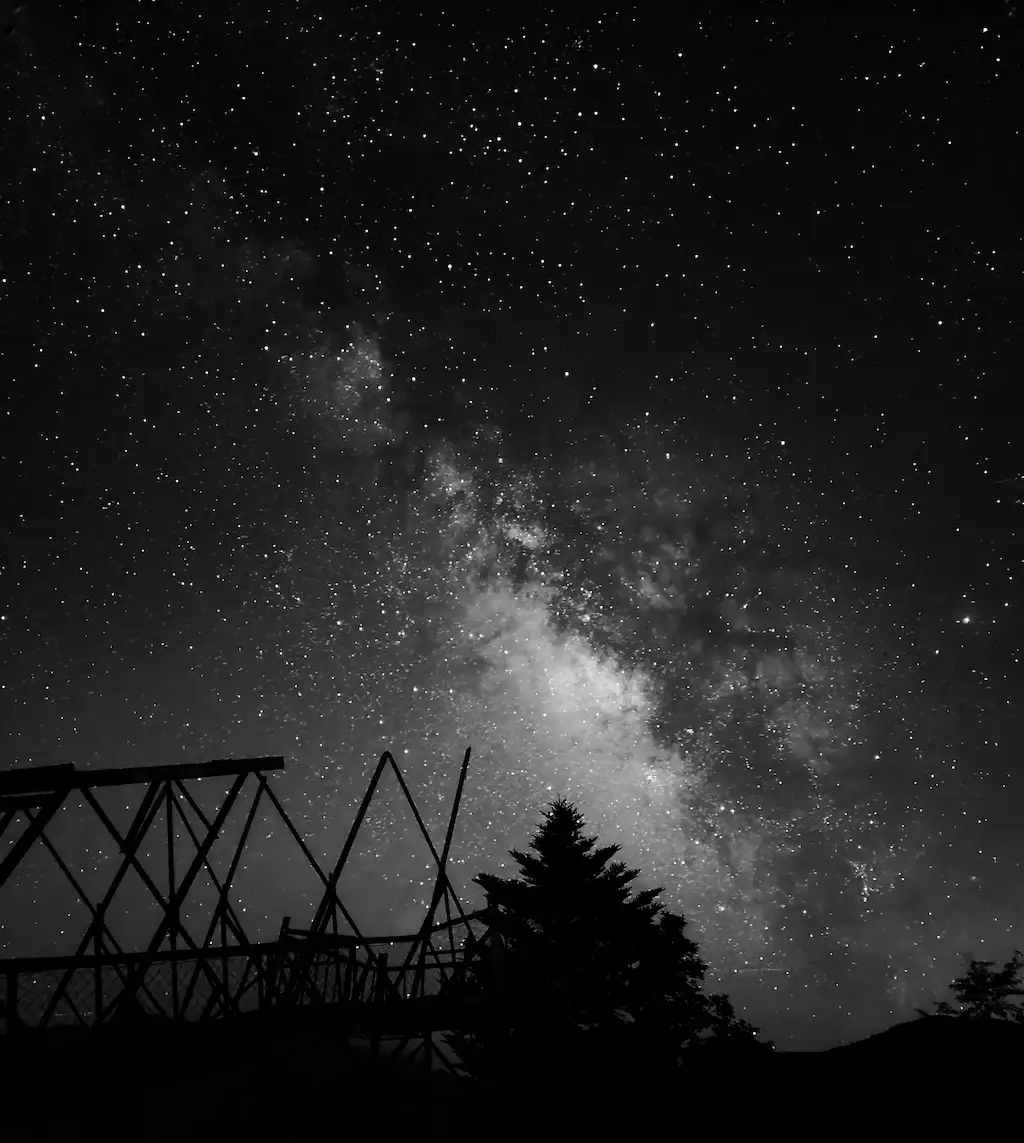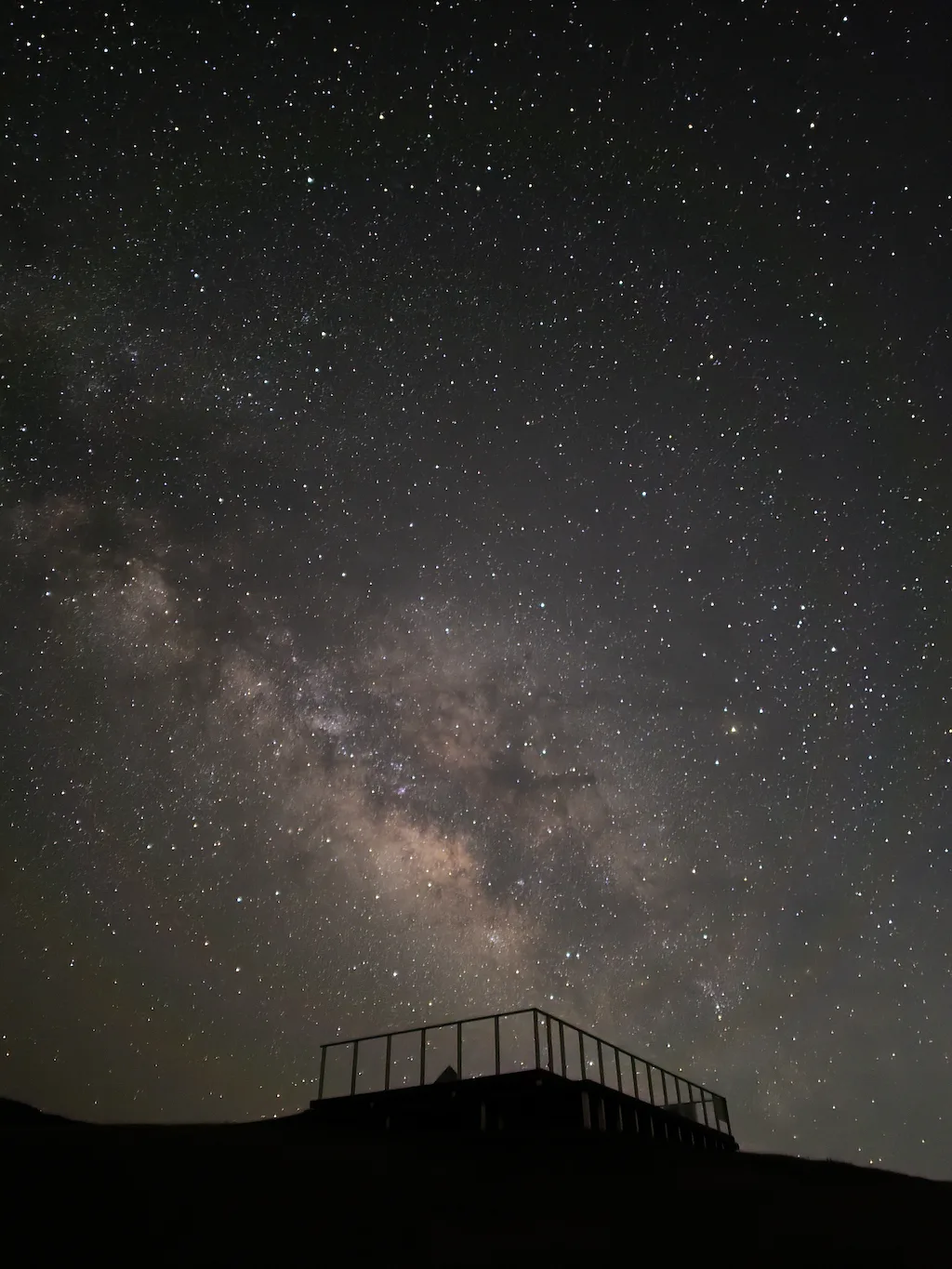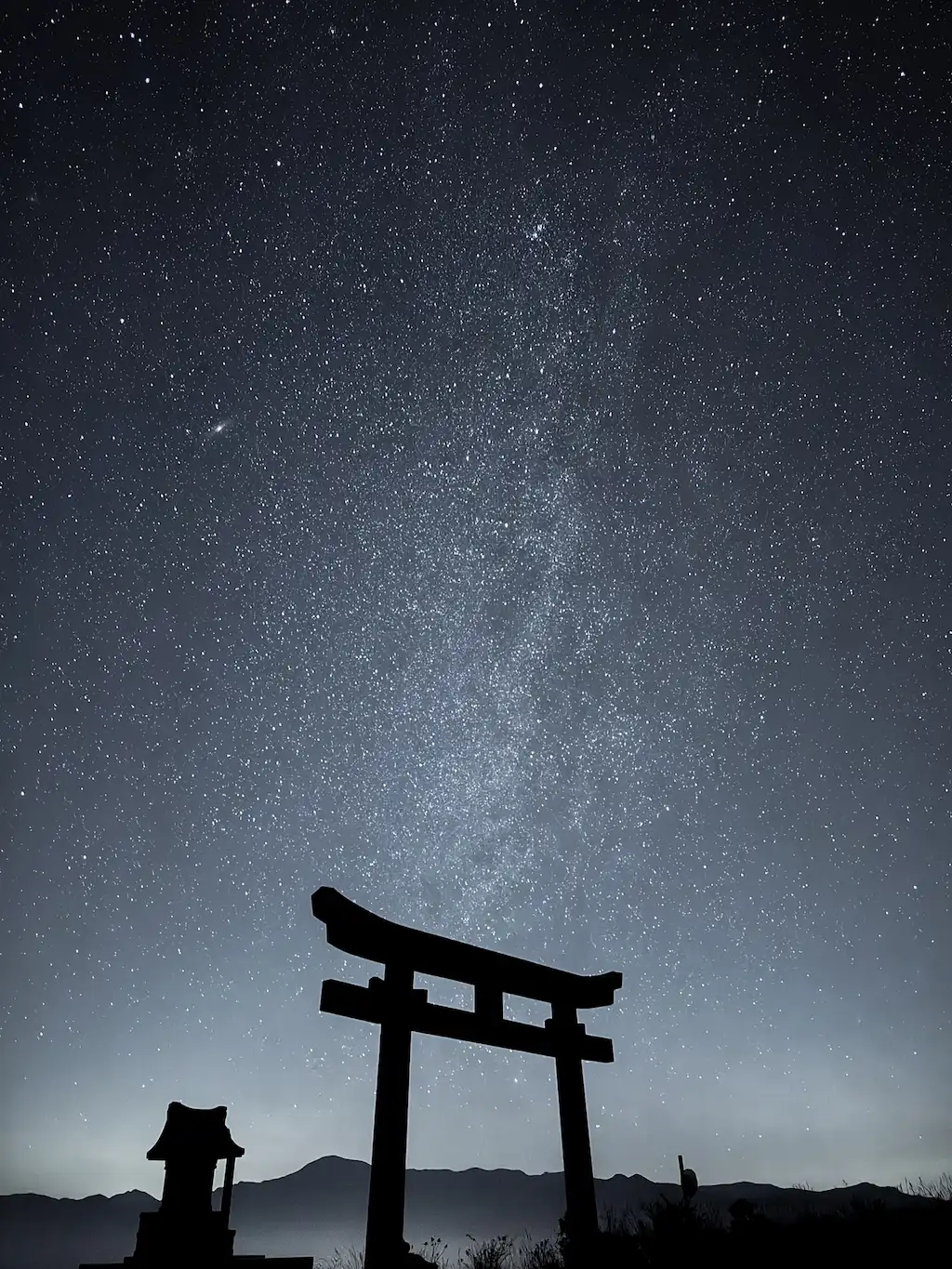
Apple’s new iPhone 17 Pro is marketed with a stronger telephoto system (up to an 8× “optical-quality” zoom). Meanwhile, the previous iPhone 16 Pro already made a big jump in low-light and night-sky performance. So how different are they for shooting the stars?
In this article, I compare real photos taken with both models and evaluate their night-sky performance from two angles: wide (1×) and telephoto zoom. Here’s the main takeaway up front: overall image quality is very similar, and both phones can capture surprisingly detailed star photos. If you look closely (especially in extreme crops), you can see small differences—but I could not confirm a clear telephoto advantage for the iPhone 17 Pro in these tests.
If you’re new to iPhone astrophotography, I’ve also written a guide here:iPhone Astrophotography(iOS 26): No Tripod Needed
Comparison 1: Stars at the Zenith (Straight Up) – Slight Edge to iPhone 17 Pro for Lower Noise?
First, I placed both phones directly on the ground and photographed the sky at the zenith (straight overhead). This is a simple way to minimize shake without using a tripod.
[iPhone 17 Pro: Wide (1×)]
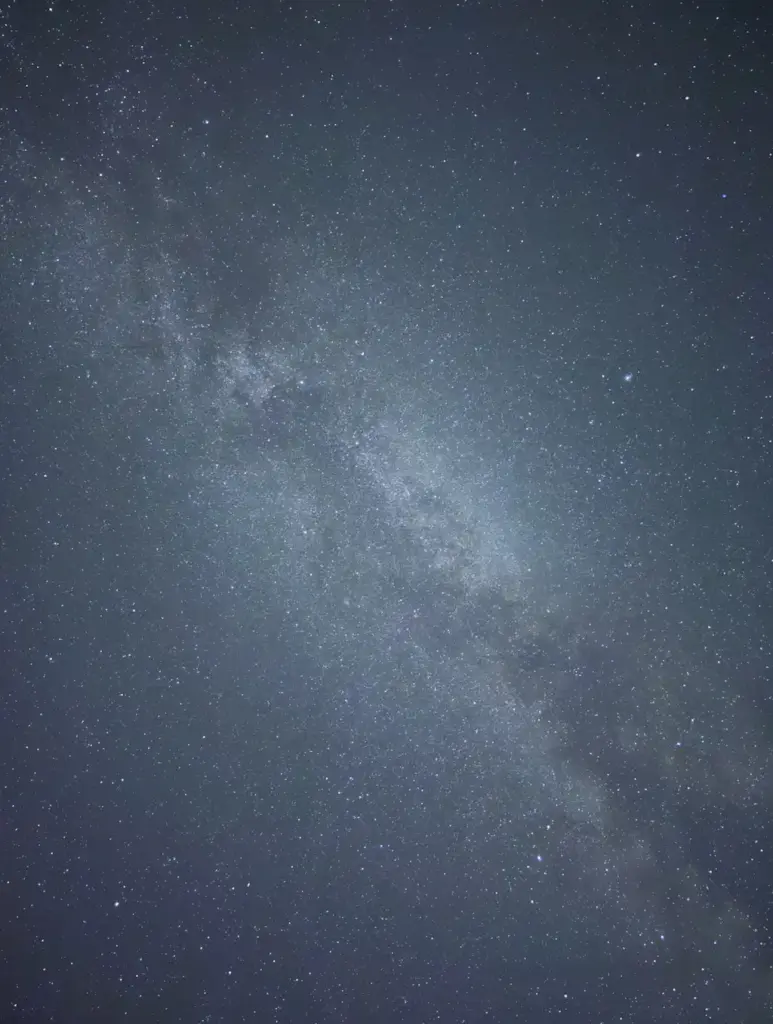
[iPhone 16 Pro: Wide (1×)]
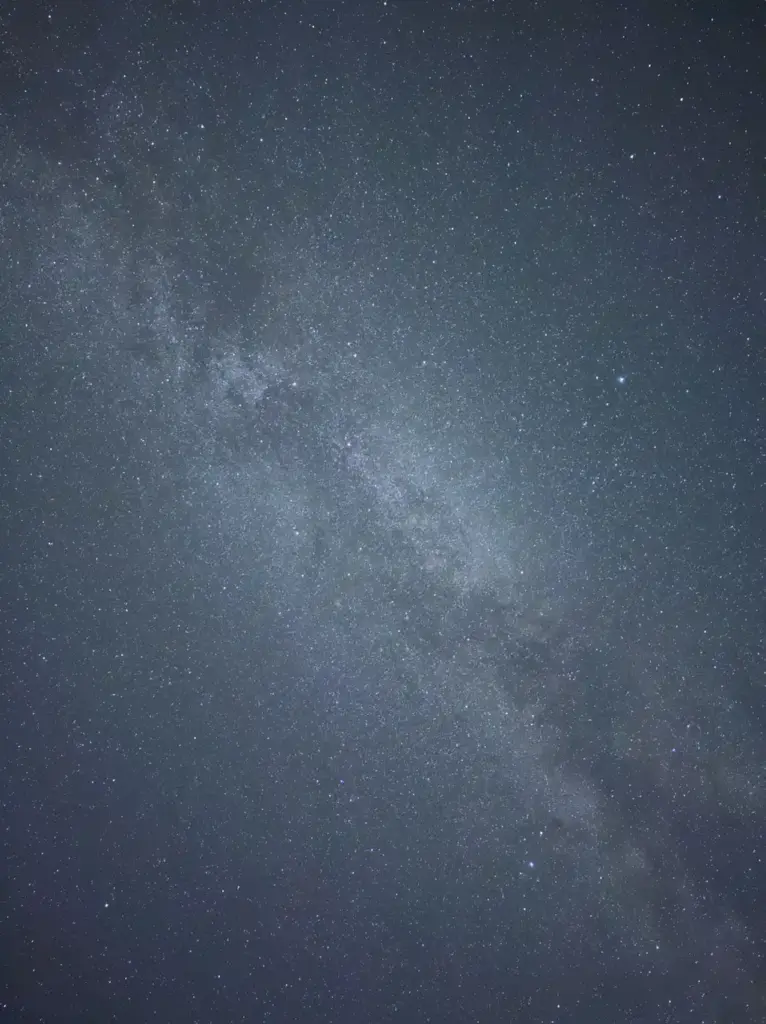
At a normal viewing size, both shots look excellent, and it’s hard to see any difference. To make differences clearer, I compared a heavily cropped section.
[iPhone 17 Pro vs iPhone 16 Pro: crop comparison]
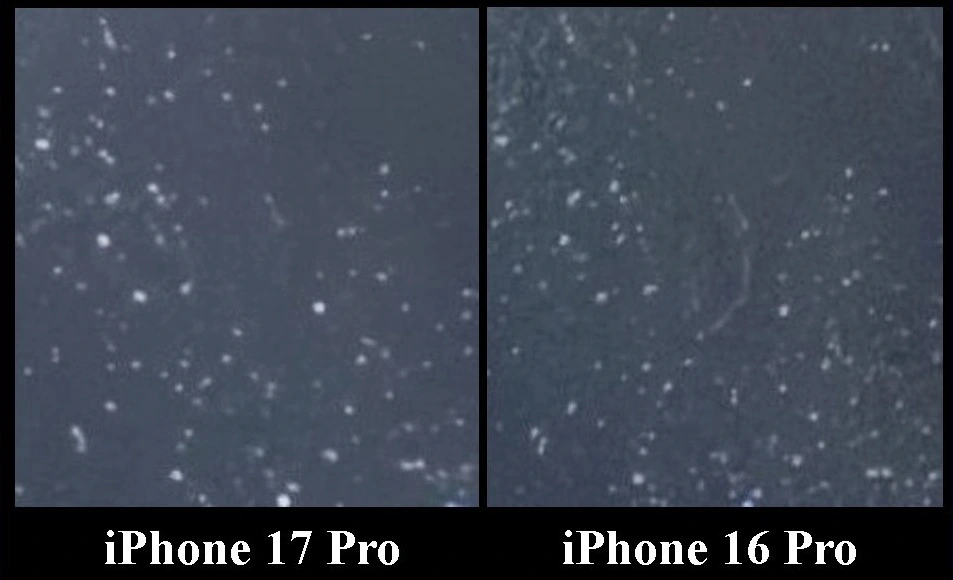
When you zoom in this much, the differences become more visible:
• iPhone 17 Pro: Very low noise (less grain), with a clean and smooth look.
• iPhone 16 Pro: Slightly more noise, but it seems to retain tiny stars a bit more clearly. That said, this is only obvious when you zoom in aggressively. For normal viewing and sharing, both are extremely high quality.
Comparison 2: Andromeda Galaxy – Corner Brightness and Detail
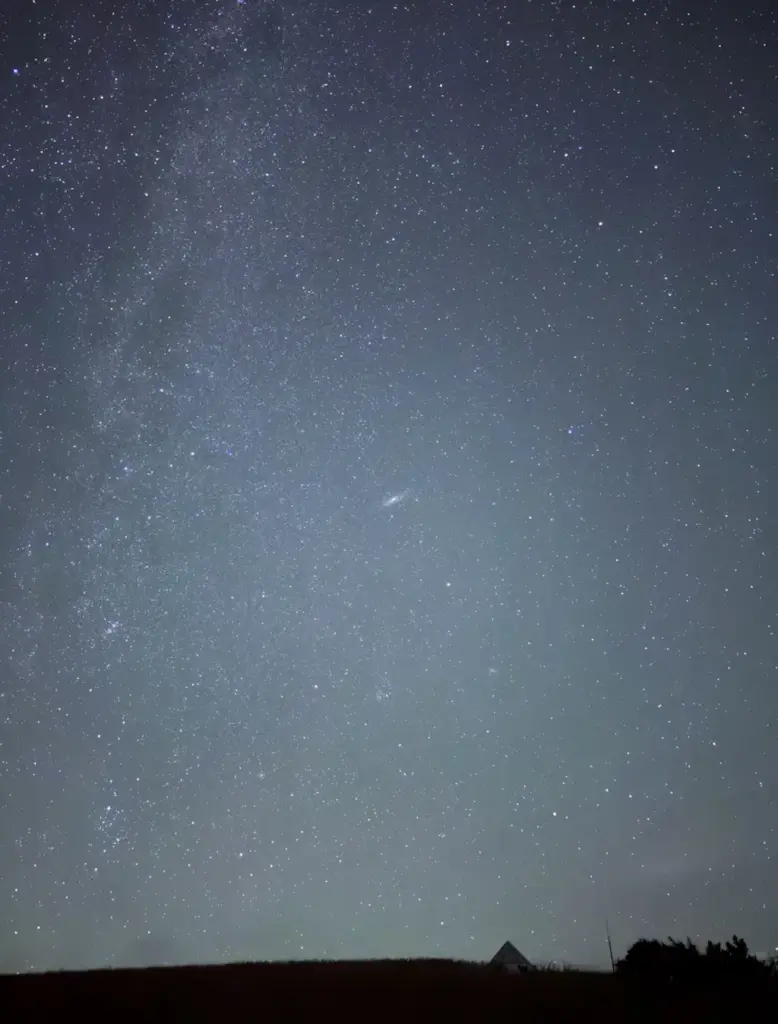
Next, I photographed the Andromeda Galaxy with it placed near the center of the frame (this time using a tripod).
[iPhone 17 Pro: Wide (1×)]
[iPhone 16 Pro: Wide (1×)]
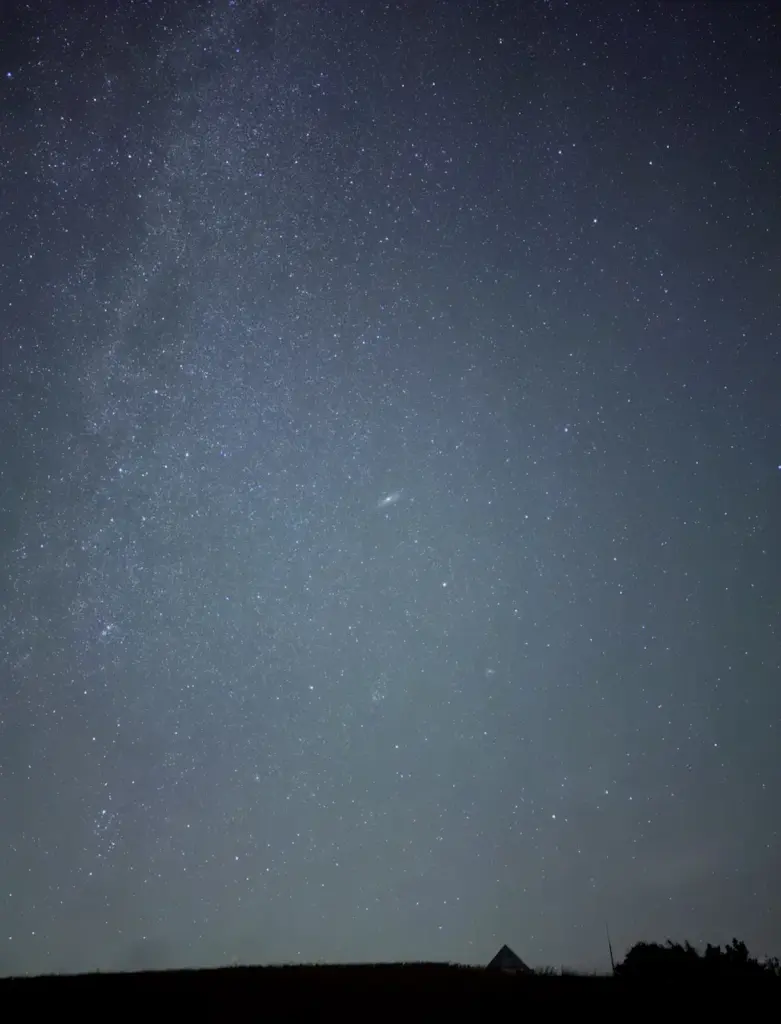
Again, the overall look is very close. The iPhone 17 Pro appears slightly more evenly bright toward the corners, but it’s not a decisive difference. Let’s zoom into the Andromeda area:
[iPhone 17 Pro vs iPhone 16 Pro: Andromeda crop comparison]
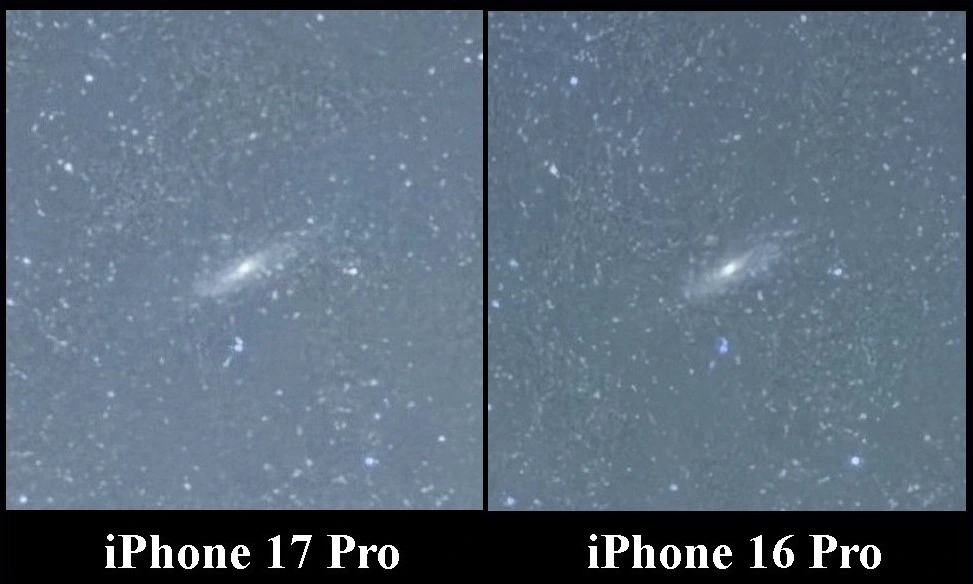
It’s impressive that a smartphone can show Andromeda’s faint glow this clearly. In this comparison, neither model showed an extreme advantage (for example, clearly more noise on one side or dramatically more stars on the other).
Then I checked a corner crop to evaluate edge performance:
[iPhone 17 Pro vs iPhone 16 Pro: Corner crop comparison]
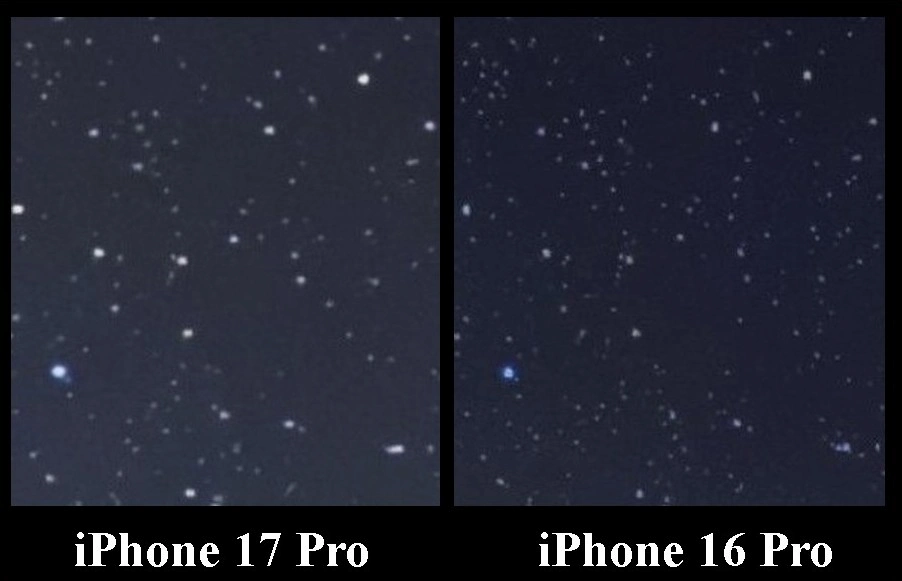
With dedicated cameras and lenses, stars often stretch or deform near the corners due to optical limitations. In these samples, both iPhones keep star shapes surprisingly round even at the edges, suggesting strong optics and/or advanced computational correction.
Noise stays low on both, but in this specific corner crop, the iPhone 16 Pro looks like it may capture slightly more very small stars.
Telephoto Zoom Comparison
The iPhone 17 Pro lineup is promoted as having improved telephoto performance—often described as larger sensors and up to 8× “optical-quality” zoom for higher image quality than before. In theory, a larger sensor and improved processing should help especially in dark scenes like the night sky, reducing noise and capturing faint light.
So I tested telephoto zoom performance directly against the iPhone 16 Pro.
2× Zoom
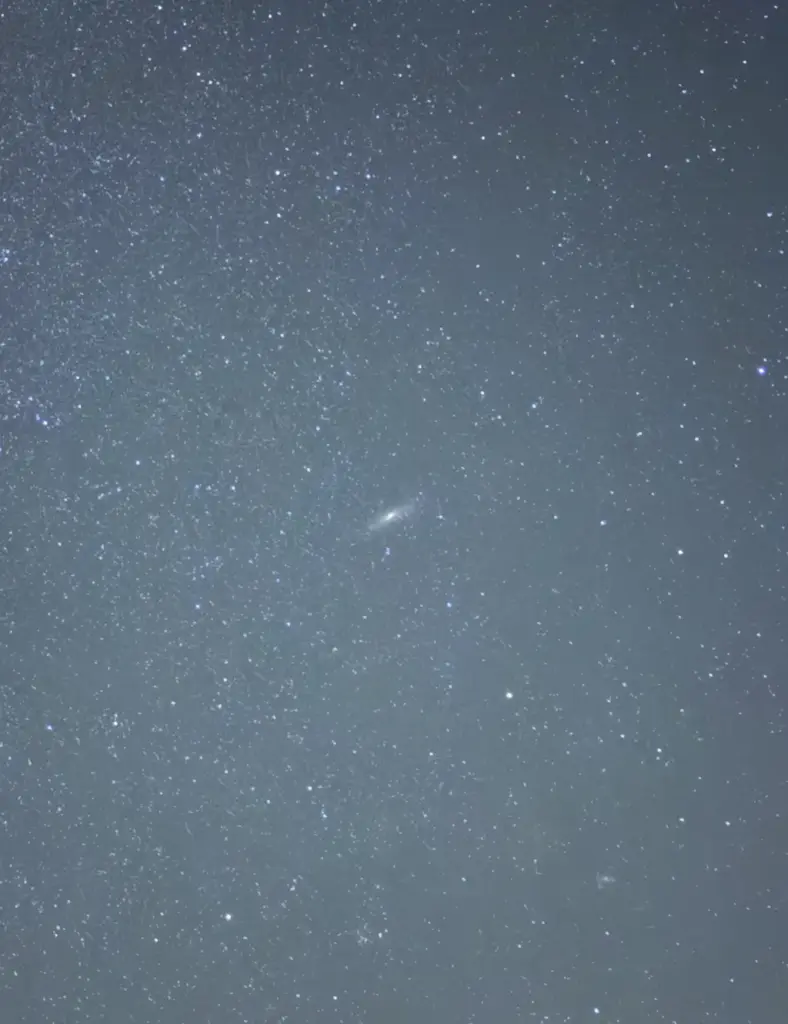
[iPhone 17 Pro: 2×]
[iPhone 16 Pro: 2×]
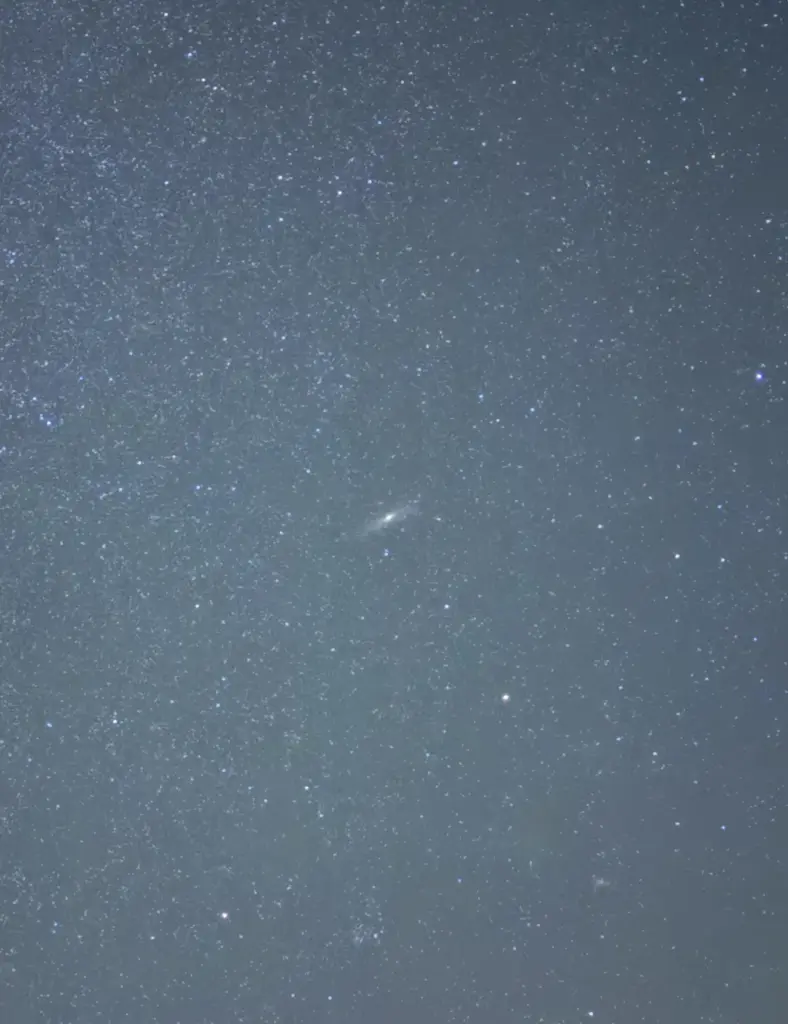
At 2×, there’s no major difference. Even when zooming in, it’s hard to clearly separate them by noise. Interestingly, the iPhone 16 Pro looks like it may show more tiny stars.
Mid Telephoto: 4× vs 5×
The next telephoto step differs between the two phones (iPhone 17 Pro: 4×, iPhone 16 Pro: 5×), so I compared at those native magnifications.
[iPhone 17 Pro: 4×]
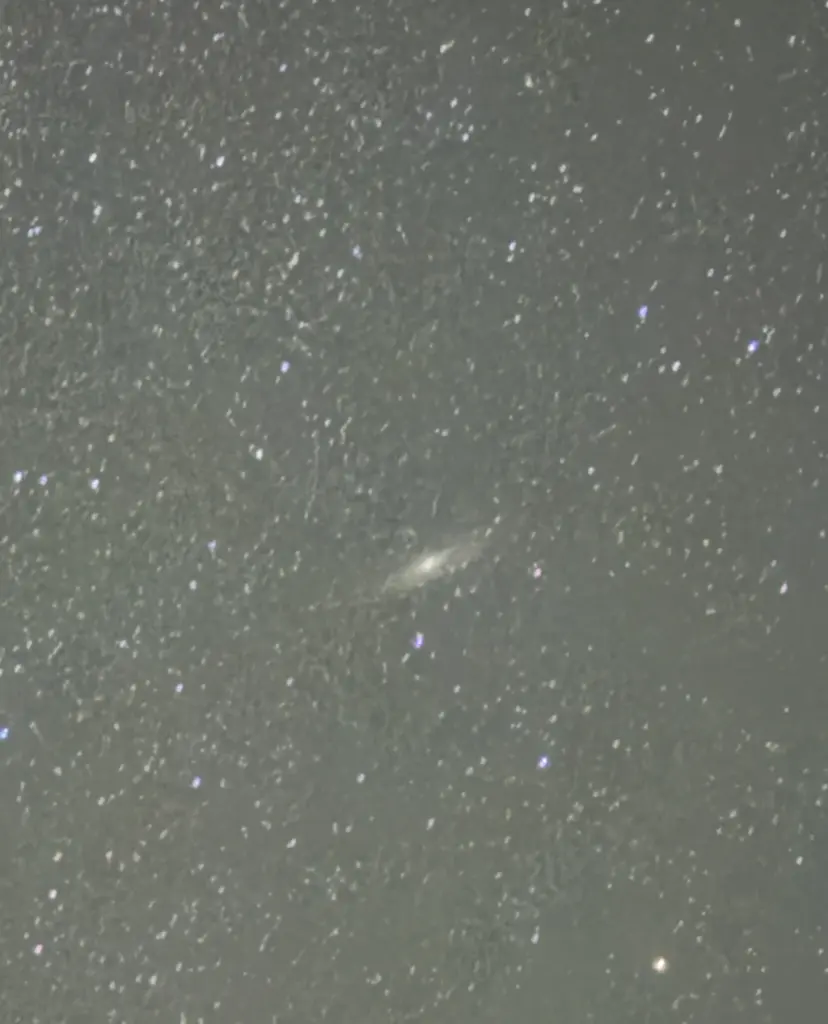
[iPhone 16 Pro: 5×]
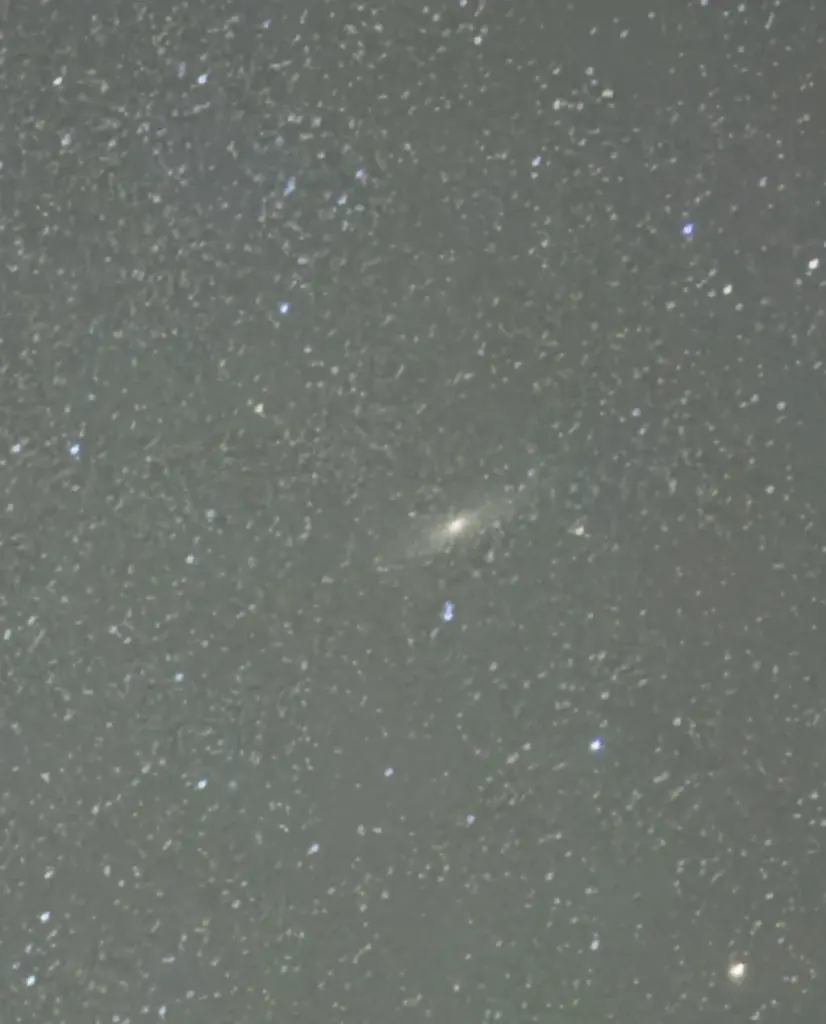
Here, the Andromeda Galaxy itself looks slightly stronger (a bit denser) on the iPhone 17 Pro, but across the full image the iPhone 17 Pro also looks like it has more visible noise, and the iPhone 16 Pro again appears to retain more fine star detail.
8× Zoom (iPhone 17 Pro only)
[iPhone 17 Pro: 8×]
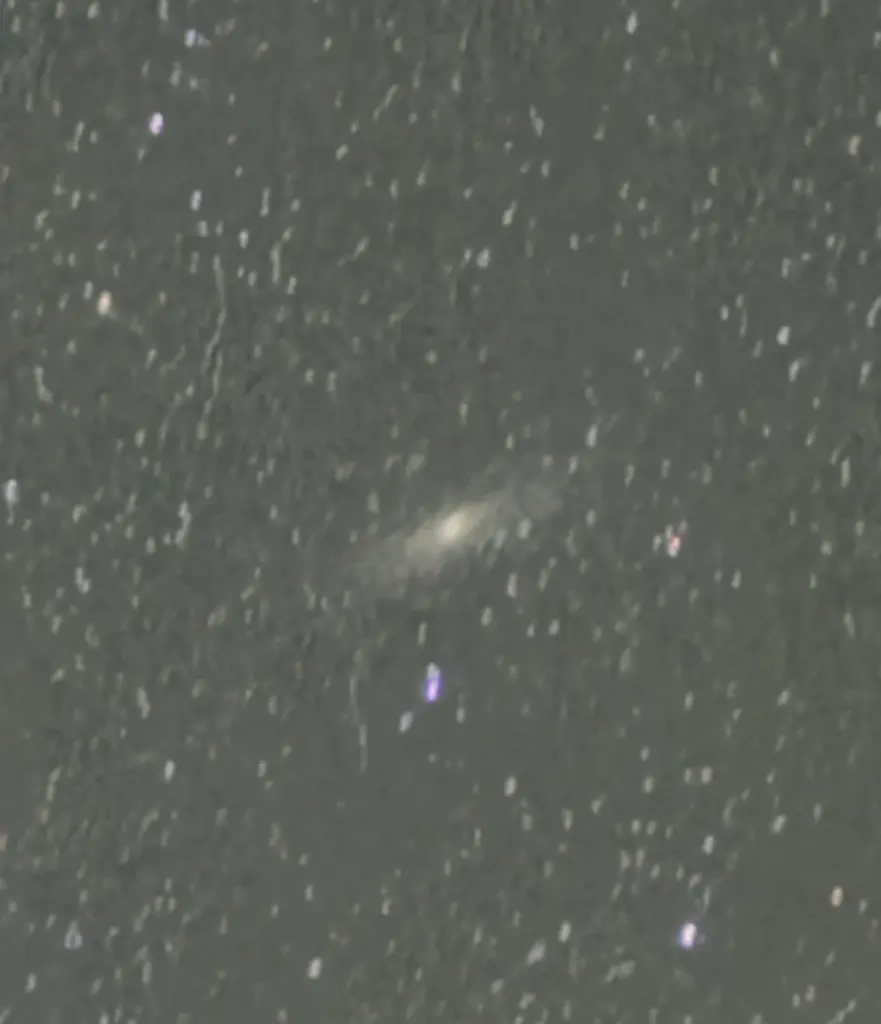
The iPhone 17 Pro supports 8×, but in my sample the image becomes noticeably rough overall, and practical usability is limited. If you truly need that framing, it may be safer to shoot at a lower zoom level and crop later.
Conclusion: Both Are Excellent for Night Sky Photos, but No Clear Telephoto Win for iPhone 17 Pro
Based on these tests, the iPhone 17 Pro and iPhone 16 Pro are very close overall for astrophotography. Despite expectations, I could not confirm a clear advantage for the iPhone 17 Pro’s telephoto zoom in real night-sky shooting.
On the wide camera, both phones can clearly capture subjects like the Milky Way and the Andromeda Galaxy at a level that is far beyond what most people expect from a smartphone.
If I had to describe a difference on the wide camera:
・iPhone 17 Pro: Cleaner look with slightly less noise; smooth and clear.
・iPhone 16 Pro: Slightly more noise, but may capture finer stars a bit more strongly.
However, the gap is small and usually only visible when you zoom in heavily. In normal viewing, either phone can produce beautiful, highly detailed star photos.